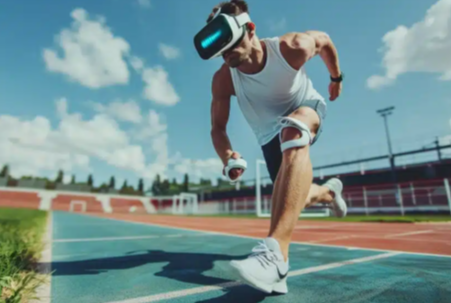
The integration of technology in sports has transformed performance and training methodologies. Wearable devices provide real-time biometric data, enabling athletes to monitor their health and optimize training. Advanced analytics converts this data into strategic insights, allowing coaches to personalize regimens. Additionally, virtual reality creates immersive environments for skill development. These elements collectively enhance athletic performance and injury prevention strategies. Yet, the implications of these innovations extend beyond mere performance metrics. What does this mean for the future of sports?
Wearable Technology: Tracking Performance and Health Metrics
As athletes increasingly seek to optimize their performance, wearable technology has emerged as a pivotal tool for tracking both performance and health metrics.
Devices equipped with biometric sensors provide real-time data on heart rate, oxygen levels, and movement patterns. This information empowers athletes to make informed decisions about training regimens, ultimately enhancing performance optimization and allowing for a more personalized approach to health and fitness management.
Advanced Analytics: Data-Driven Decision Making
While the integration of wearable technology has revolutionized the way athletes monitor their performance, advanced analytics takes this a step further by transforming raw data into actionable insights.
Utilizing predictive modeling, coaches and athletes can identify trends and forecast outcomes, leading to enhanced performance optimization. This data-driven decision-making empowers teams to tailor training regimens, ultimately fostering a more adaptive and competitive sporting environment.
Read more: The Growing Importance of Ethical Hacking
Virtual Reality: Immersive Training Experiences
The evolution of training methodologies in sports has been significantly impacted by advancements in technology, with virtual reality (VR) emerging as a powerful tool for enhancing athlete performance.
VR facilitates immersive training experiences, allowing athletes to engage in realistic game simulations. Utilizing virtual coaches, athletes receive personalized feedback, improving decision-making skills and tactical understanding, ultimately leading to more effective and adaptable performance in real-world scenarios.
Injury Prevention: Technology in Recovery and Rehabilitation
Injuries represent a significant hurdle in athletic performance, prompting the integration of advanced technology into recovery and rehabilitation processes.
Biomechanical analysis plays a crucial role in identifying injury risks, allowing tailored rehabilitation protocols to enhance recovery.
Technologies such as wearable sensors and motion capture systems provide data-driven insights, optimizing training regimens and ensuring athletes can safely return to peak performance while minimizing future injury occurrences.
Conclusion
In conclusion, the integration of technology in sports performance and training acts like a finely tuned instrument, harmonizing the efforts of athletes and coaches alike. Wearable devices, advanced analytics, and virtual reality collectively enhance training efficacy, foster personalized health management, and streamline injury prevention strategies. As these innovations continue to evolve, they not only redefine athletic capabilities but also shape the future landscape of sports, ensuring a more informed and strategic approach to athletic development.