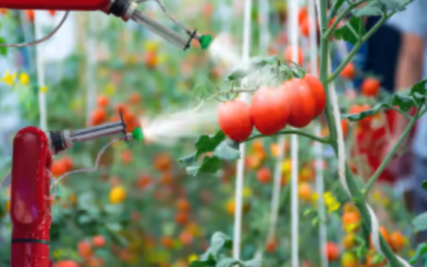
Technology is fundamentally transforming food production through various innovative approaches. Precision agriculture utilizes data analytics and soil sensors to enhance crop yields, while vertical farming optimizes urban space with hydroponic systems. Lab-grown meats present sustainable protein alternatives, and blockchain technology ensures transparency within the food supply chain. These advancements not only address growing food demands but also raise questions about the future of traditional farming practices. What implications do these changes hold for consumers and farmers alike?
Precision Agriculture: Enhancing Crop Yields Through Data-Driven Insights
How can data-driven insights revolutionize crop production?
Utilizing data analytics, precision agriculture leverages soil sensors for real-time crop monitoring, enhancing yield optimization.
Weather forecasting informs irrigation efficiency, while targeted nutrient management boosts plant health.
Integrated pest management systems further protect yields, creating a holistic approach.
This innovative methodology empowers farmers, enabling them to maximize resources and ensure sustainable food production in an increasingly demanding world.
Read more: The Future of Space Tourism: Technology Making It Possible
Vertical Farming: Maximizing Space and Resources in Urban Environments
As urban populations continue to swell, vertical farming emerges as a transformative solution to maximize limited space and resources for food production.
Utilizing hydroponic systems, this innovative approach enables urban agriculture to thrive within confined environments. By stacking layers of crops, vertical farms significantly reduce land use while optimizing water and nutrient efficiency, ultimately contributing to sustainable food systems and enhanced food security in cities.
Lab-Grown Meats: Redefining Protein Production for Sustainability
Lab-grown meats are revolutionizing the landscape of protein production by offering a sustainable alternative to traditional livestock farming.
This innovation in cellular agriculture drastically reduces environmental impact and resource consumption. Moreover, it addresses ethical implications surrounding animal welfare.
Blockchain Traceability: Ensuring Transparency and Trust in the Food Supply Chain
While the food industry grapples with challenges related to transparency and trust, blockchain technology emerges as a transformative solution for enhancing traceability within the supply chain.
Conclusion
As the sun sets on traditional farming practices, a new dawn emerges, illuminated by technology’s transformative touch. Precision agriculture, vertical farming, lab-grown meats, and blockchain traceability weave together a tapestry of innovation, each thread promising a more sustainable future. Yet, the question looms: will these advancements be enough to satiate the world’s growing appetite? As farmers and consumers stand on the brink of this new era, the unfolding narrative of food production holds both challenges and extraordinary possibilities.