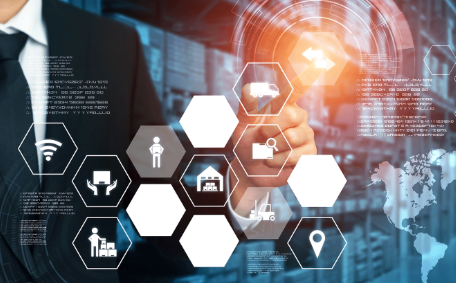
In today’s complex economic landscape, technology has become integral to supply chain management. Advanced analytics, artificial intelligence, blockchain, and IoT are reshaping how organizations operate. These tools not only enhance efficiency but also drive strategic decision-making. As companies face increasing market volatility, understanding the nuances of these technologies is essential. The implications for inventory management and stakeholder trust are profound, prompting a closer examination of how these innovations can be effectively leveraged.
Advanced Analytics and Data-Driven Decision Making
Advanced analytics has revolutionized the landscape of supply chain management by enabling organizations to harness vast amounts of data for informed decision-making.
Predictive modeling enhances forecasting accuracy, allowing businesses to anticipate demand fluctuations. Coupled with data visualization, stakeholders gain intuitive insights into complex datasets, fostering strategic planning.
This data-driven approach empowers organizations to optimize operations, ensuring agility and responsiveness in an increasingly dynamic marketplace.
The Impact of Artificial Intelligence on Supply Chain Efficiency
As organizations increasingly integrate artificial intelligence (AI) into their supply chain processes, they unlock significant improvements in operational efficiency and responsiveness.
Machine learning algorithms facilitate real-time data analysis, enabling predictive analytics to forecast demand accurately. This capability not only optimizes inventory management but also enhances decision-making, fostering agility and reducing costs.
Ultimately, this allows organizations to adapt swiftly to market changes and consumer needs.
Enhancing Transparency With Blockchain Technology
The integration of blockchain technology in supply chain management offers a powerful means to enhance transparency and traceability.
By leveraging blockchain benefits, organizations can establish immutable records of transactions, improving supply chain security.
This heightened visibility fosters trust among stakeholders, enabling them to verify the authenticity of products and processes.
Ultimately, blockchain empowers businesses to operate with greater freedom and confidence in their supply chain activities.
IoT and Real-Time Monitoring in Supply Chain Operations
Although many industries have begun to embrace the Internet of Things (IoT), its transformative potential in supply chain operations is particularly significant.
Smart sensors facilitate real-time monitoring, enabling companies to track assets and inventory with precision. This data not only enhances operational efficiency but also supports predictive maintenance, allowing organizations to foresee equipment failures and reduce downtime.
Ultimately, this fosters greater flexibility and responsiveness in the supply chain.
Conclusion
In conclusion, the integration of advanced technologies in supply chain management is akin to a finely tuned orchestra, where each component harmonizes to create a seamless flow of operations. Advanced analytics, artificial intelligence, blockchain, and IoT collectively empower organizations to enhance efficiency, transparency, and responsiveness. As the supply chain landscape continues to evolve, embracing these technologies will be crucial for businesses striving to maintain a competitive edge and adapt to the dynamic demands of the market.